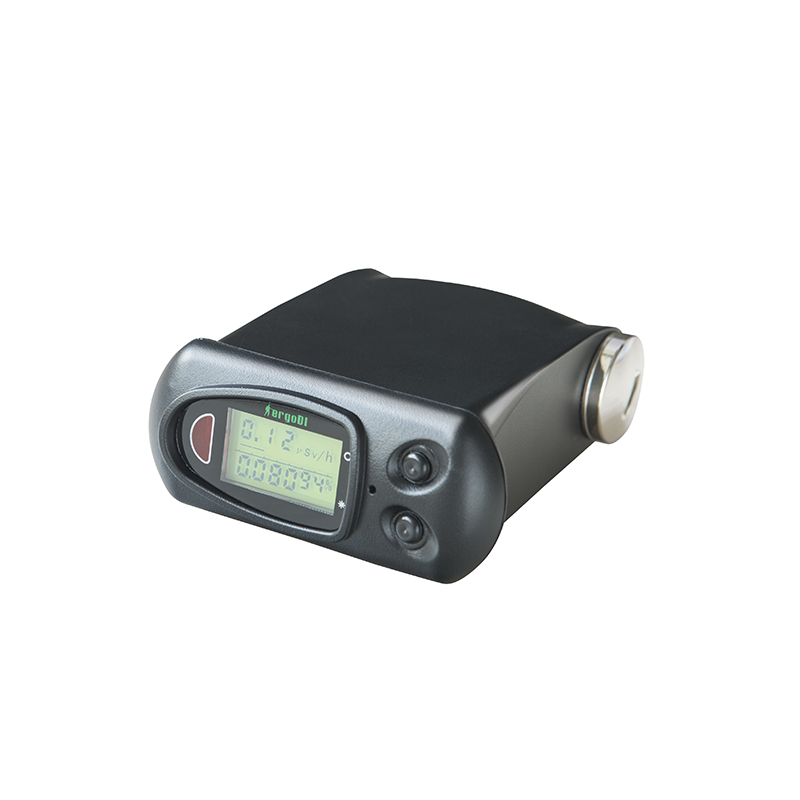
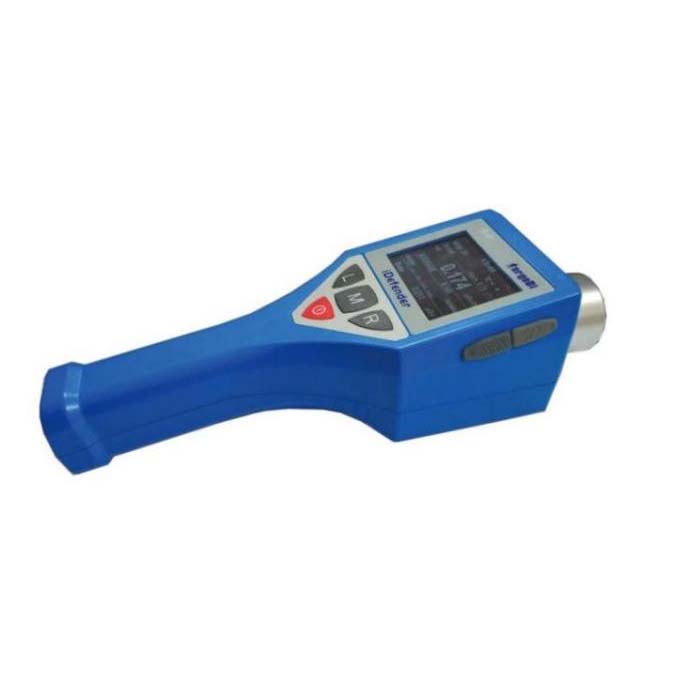
**Innovative Digital Radiation Survey Meter Introduced to Enhance Radiation Safety Monitoring**In an era where safety and precision are paramount, the introduction of the new Digital Radiation Survey Meter marks a significant advancement in radiation detection technology. Designed to provide accurate and reliable measurements, this device is set to meet the increasing demand for efficient radiation safety tools across various industries.The company behind this pioneering technology, a leading provider of high-quality measurement instruments, boasts years of expertise in developing precision electronic devices. With a strong commitment to innovation and customer satisfaction, the company continues to deliver solutions that address the evolving needs of professionals in healthcare, environmental monitoring, nuclear power, and other sectors where radiation measurement is critical.**Features and Capabilities**The Digital Radiation Survey Meter operates with cutting-edge sensors capable of detecting a wide range of radiation types, including alpha, beta, gamma, and X-rays. Its digital interface offers users real-time readings with high sensitivity and low background noise interference, ensuring precise monitoring even in challenging environments.Equipped with a user-friendly touchscreen display, the device allows operators to customize measurement parameters, store data internally, and transfer results seamlessly to computers or mobile devices via wireless connectivity. Robust construction ensures durability under harsh conditions, making it a reliable companion for field operations and laboratory use alike.**Advancing Radiation Safety Standards**Radiation detection plays a pivotal role in protecting workers and the public from harmful exposure. Traditional survey meters often face limitations in sensitivity, portability, or data management, which can hinder effective monitoring. The new Digital Radiation Survey Meter addresses these challenges by combining sophisticated measurement technology with intuitive usability."The development of this instrument reflects our dedication to enhancing radiation safety protocols," stated a company spokesperson. "By offering precise, portable, and easy-to-use detection tools, we aim to support professionals in maintaining safe environments and complying with regulatory standards."**Applications Across Diverse Sectors**Beyond its technical merits, the Digital Radiation Survey Meter stands out for its versatility. In medical environments, it assists radiologists and technicians in monitoring exposure levels during diagnostic and therapeutic procedures. Environmental agencies deploy it to assess contamination in soil and water samples, while industrial users rely on it for quality control and safety audits in nuclear facilities.Moreover, emergency responders can utilize the device in the event of radiological incidents, enabling swift identification of hazardous zones and informed decision-making. Its compact size and rapid response time make it ideal for such critical applications.**Company’s Vision and Commitment**The company’s ongoing investment in research and development underscores a broader mission to innovate technologies that safeguard health and the environment. Leveraging expert knowledge and advanced manufacturing processes, the organization ensures each product upholds stringent quality standards.Training programs and customer support services further enhance user confidence, facilitating smooth integration of the Digital Radiation Survey Meter into existing safety frameworks. Through continuous dialogue with clients and end-users, the company adapts its offerings to emerging requirements and technological trends.**Looking Ahead**As awareness of radiation risks grows globally, tools like the Digital Radiation Survey Meter will be instrumental in enabling proactive safety management. The company envisions expanding its portfolio with complementary devices and software solutions, fostering comprehensive radiation monitoring systems.In summary, the launch of this state-of-the-art radiation survey meter represents a milestone in measurement technology. It empowers users with precision, portability, and practical features essential for radiation detection and protection. With a foundation in industry expertise and innovation, the company is poised to support safer workplaces and communities worldwide.---*For more information about the Digital Radiation Survey Meter and the company’s full range of measurement instruments, interested parties are encouraged to visit the official website or contact their local representatives.*
Read More