
Airport Thermal Camera and Day and Night Surveillance Systems for Enhanced Security
By:Admin
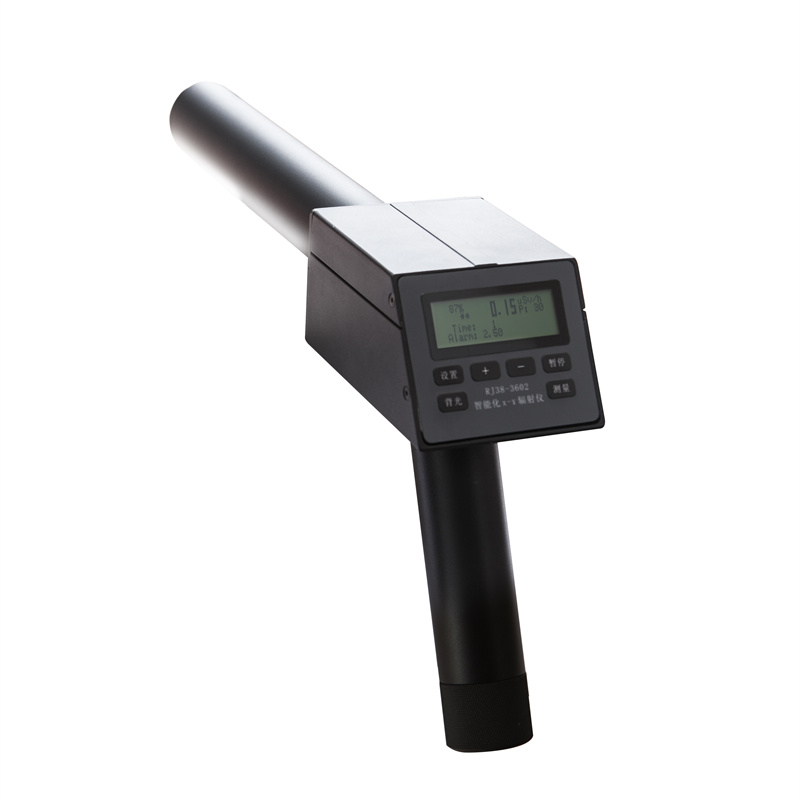
In recent years, the aviation industry has experienced significant growth, prompting airports worldwide to enhance their security measures and operational efficiency. China, as one of the foremost hubs of global air traffic, has been at the forefront of adopting cutting-edge technologies to ensure passenger safety and streamline airport management. Among the recent advancements, the integration of thermal camera systems and comprehensive day-and-night surveillance solutions marks a pivotal step forward in airport security and monitoring capabilities.
**Enhanced Security with Thermal Camera Technology**
Thermal cameras offer a unique advantage in security surveillance by detecting heat signatures rather than relying solely on visible light. In the bustling environment of an airport, where lighting conditions can vary drastically due to weather and time of day, thermal imaging ensures continuous and reliable monitoring. This technology enables security personnel to detect potential threats, such as unauthorized access to restricted areas or suspicious behavior, even in complete darkness or adverse weather conditions.
Thermal cameras can also play a critical role in health and safety management, as they are capable of detecting elevated temperatures indicative of fever symptoms. In the wake of global health challenges, airports have increasingly utilized thermal imaging as part of their initial screening process to identify passengers who may require additional medical examination. Implementing these systems contributes to mitigating the spread of infectious diseases within crowded airport environments.
**Comprehensive Day-and-Night Surveillance Capabilities**
Complementing the thermal imaging technology, modern surveillance systems provide high-resolution video capture throughout both day and night. Utilizing advanced image processing techniques, these systems overcome poor lighting conditions by enhancing clarity and detail, enabling security teams to maintain situational awareness at all times.
Day-and-night cameras employ infrared illumination without generating visible light that might disturb passengers or aircraft operations. This feature ensures discreet yet effective observation across large airport terminals, runways, baggage claim areas, and parking facilities. Continuous monitoring helps deter and detect criminal activity such as theft, vandalism, and unauthorized entry, fostering a safer environment for travelers and staff alike.
**Integration and Intelligent Analytics**
The true power of airport security lies in the seamless integration of thermal cameras and day-and-night surveillance systems into a unified platform. Advanced software analytics enable real-time processing of video feeds, triggering alerts upon detecting unusual behavior or predefined security breaches. Artificial intelligence (AI) components can identify face masks, count people, and even recognize abandoned objects, facilitating swift response from security personnel.
Moreover, the use of centralized monitoring centers allows airport authorities to manage multiple camera feeds efficiently, ensuring comprehensive coverage of critical zones. The data collected not only enhances immediate security responses but also contributes to long-term operational planning and risk assessment.
**Company’s Role and Expertise**
A leading technology provider in this domain offers a robust suite of thermal camera and surveillance solutions tailored for airport environments. With extensive experience in the security sector, the company specializes in delivering systems that support 24/7 operations under challenging conditions, combining hardware durability with cutting-edge software functionalities.
The company’s airport surveillance portfolio includes high-performance thermal imaging devices capable of detecting temperature differences with precision, as well as versatile day-and-night cameras designed for optimal image acquisition regardless of lighting conditions. The integration of these components into a cohesive monitoring solution enables airports to maintain stricter security protocols while enhancing passenger safety and comfort.
Their solutions also emphasize scalability and customization, allowing airports of varying sizes and complexities to implement the technology in a manner best suited to their infrastructure. With a commitment to innovation and customer satisfaction, the company supports end-users through comprehensive training, maintenance services, and future upgrades.
**Impact on China’s Aviation Sector**
The adoption of advanced thermal and day-and-night surveillance solutions aligns perfectly with China’s ambition to become a global leader in aviation and transportation. By enhancing security infrastructure, Chinese airports boost their international reputation and readiness to handle increasing passenger volumes securely and efficiently.
These technologies not only improve threat detection and incident prevention but also contribute to smoother passenger flows by minimizing delays caused by security checks and health screenings. Enhanced surveillance capabilities support compliance with international aviation safety standards and help build public confidence in air travel.
Furthermore, airports equipped with such sophisticated monitoring systems can facilitate better coordination with local law enforcement and emergency responders, ensuring quicker reaction times in case of incidents. The data collected can also assist in engineering safer airport designs and optimizing operational workflows.
**Future Outlook**
As technology evolves, the integration of thermal cameras and day-and-night surveillance will likely advance towards even greater automation and intelligence. The incorporation of machine learning algorithms could lead to predictive analytics that preemptively identify potential risks before they escalate. Additionally, developments in sensor fusion may combine thermal imaging with other sensing modalities like radar or lidar, creating multidimensional security ecosystems.
China’s commitment to smart airport initiatives promises continued investment in innovative security solutions, potentially extending beyond surveillance to include biometric identification, contactless processing, and more. These efforts collectively aim to set new benchmarks in airport safety and operational excellence.
**Conclusion**
The fusion of thermal camera technology with comprehensive day-and-night surveillance marks a transformative milestone in airport security, particularly within China’s rapidly expanding aviation infrastructure. By embracing these advancements, airports are better equipped to safeguard passengers, staff, and assets around the clock, regardless of environmental challenges. Supported by expert technology providers, this integration not only elevates security standards but also fosters efficiency and resilience in airport operations, paving the way for safer skies and enhanced travel experiences.