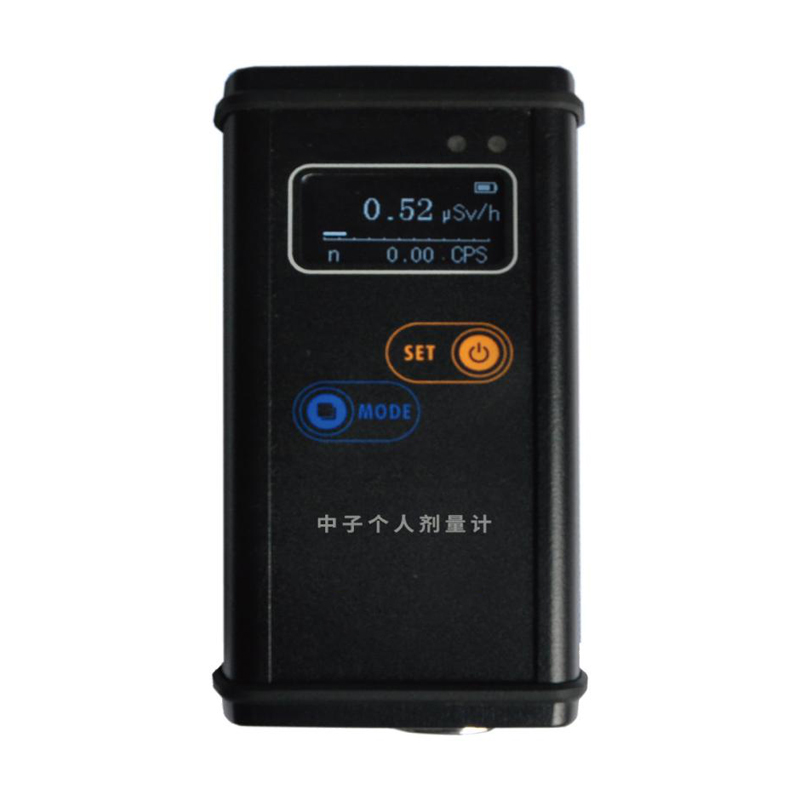
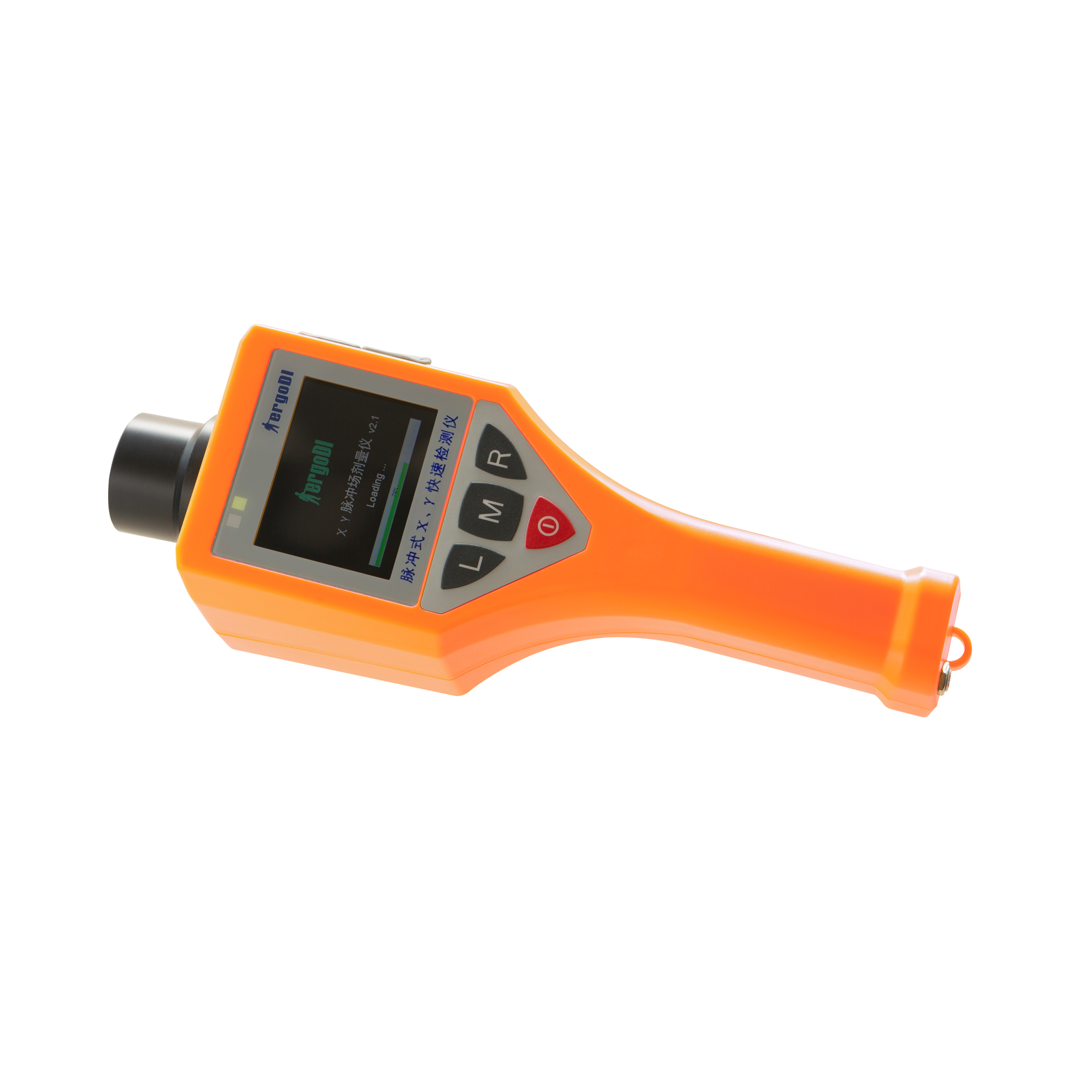
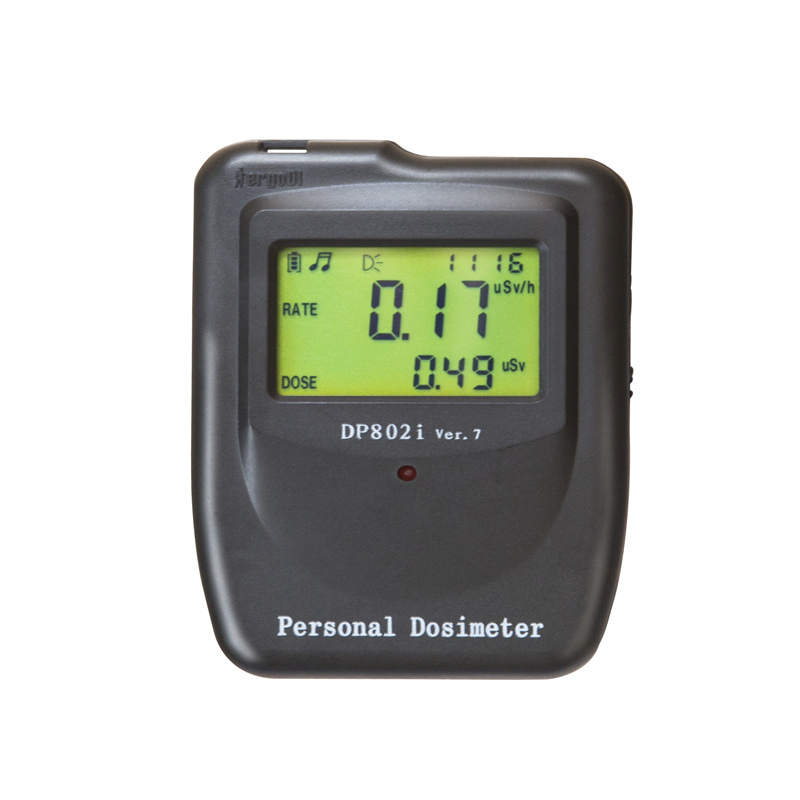
**Advancements in Radiation Hazards and Shielding: Ensuring Safer Environments**Radiation hazards continue to be a significant concern across various industries, from healthcare and nuclear energy to aerospace and manufacturing. As the use of radiation expands, so does the need for effective shielding solutions that protect workers, the public, and sensitive equipment from harmful exposure. Recent developments in radiation shielding technology, combined with the expertise and innovation of leading industry providers, are paving the way for safer environments and enhanced operational efficiency.Radiation, whether ionizing or non-ionizing, poses health risks that can range from mild effects such as skin irritation to severe outcomes including cancer and radiation sickness. Recognizing these risks, modern safety protocols emphasize the importance of appropriate shielding materials and configurations tailored to specific radiation types and exposure levels. Traditionally, materials such as lead, concrete, and water have been employed to block or attenuate radiation. However, ongoing research and development efforts aim to improve shielding efficacy while addressing factors such as weight, cost, durability, and environmental impact.One notable trend in the industry is the integration of advanced composite materials that combine high-density metals with polymers or ceramics. These composites offer significant advantages over conventional shields, including enhanced mechanical strength, greater flexibility in design, and reduced environmental hazards compared to heavy metals. In addition, novel manufacturing techniques such as 3D printing allow for the creation of customized shielding components that fit complex geometries, improving overall protection performance.Beyond material innovation, radiation hazard mitigation also involves comprehensive assessment and management strategies. Advanced detection instruments and software enable precise measurement of radiation levels, helping professionals identify hotspots and optimize shielding placement. Moreover, training and awareness programs ensure that personnel understand best practices for handling radiation sources and maintaining protective barriers.At the forefront of this evolving landscape are companies dedicated to delivering cutting-edge radiation shielding solutions. Drawing on decades of expertise in materials science, engineering, and health physics, these organizations collaborate with clients across sectors to develop customized shielding systems tailored to unique operational conditions. Their offerings encompass a broad spectrum, from portable shields for medical diagnostic procedures to large-scale containment structures for nuclear facilities.One such company, with a proven track record of innovation and quality, exemplifies this commitment to radiation safety. With a comprehensive portfolio that includes radiation shielding products, protective equipment, and consulting services, the company supports industries as diverse as healthcare, industrial manufacturing, research, and defense. Their approach starts with a thorough analysis of client needs and site-specific radiation characteristics, followed by the design and implementation of optimized shielding solutions.The company’s R&D team continuously explores new materials and technologies to enhance shielding efficiency and reduce costs. For example, their recent projects have investigated lightweight composite panels incorporating tungsten and polymer blends, successfully achieving weight reductions of up to 30% compared to traditional lead shields without compromising protection levels. These innovations not only improve worker comfort and mobility but also facilitate easier installation and maintenance.In addition to product development, the company places strong emphasis on compliance with international radiation safety standards and regulations. Their expert consultants assist clients in navigating complex regulatory environments, conducting risk assessments, and implementing management plans that align with best practices and legal requirements. This holistic service model ensures that clients achieve optimal safety outcomes while minimizing operational disruptions.Beyond industrial applications, the company also contributes to public health initiatives aimed at minimizing radiation exposure in everyday environments. This includes partnerships with healthcare providers to enhance shielding in diagnostic imaging rooms and with educational institutions to raise awareness about radiation risks and protective measures.Looking forward, the radiation hazards and shielding sector is poised for continued growth and innovation. Emerging challenges such as the increasing use of radioactive materials in medical therapies, the expansion of nuclear energy programs, and the advent of space exploration demand ever more sophisticated protection strategies. Advances in nanotechnology, smart materials, and artificial intelligence hold promise for new generations of adaptive and intelligent shielding systems capable of real-time monitoring and response.In summary, safeguarding against radiation hazards remains a critical priority across multiple fields. Through a combination of material science breakthroughs, engineering ingenuity, and comprehensive safety management, modern radiation shielding solutions are increasingly effective and adaptable. The expertise and dedication of leading companies ensure that industries can operate safely and sustainably, protecting human health and the environment against the dangers of radiation exposure.As awareness and regulatory requirements continue to evolve, stakeholders in radiation safety must stay informed and proactive. Innovative shielding solutions, backed by solid scientific research and supported by knowledgeable partners, will play a pivotal role in creating safer workplaces and communities worldwide.
Read More